Have you ever felt like you are constantly redoing landscaping work in your yard even after putting lots of effort into making it look polished?
You are dealing with recurring drainage problems, noticing water slowly moving downhill, and feeling some areas of the yard are muddy. Not only that, even mulch and rocks are refusing to stay where you put them. Remember, these are the clear warning signs, which are pointing towards one solution—a retaining wall.
Now you have to understand these indicators before they damage your property and demand expensive repairs or fixes in the future. Let’s discuss how to tell if your property needs a retaining wall.
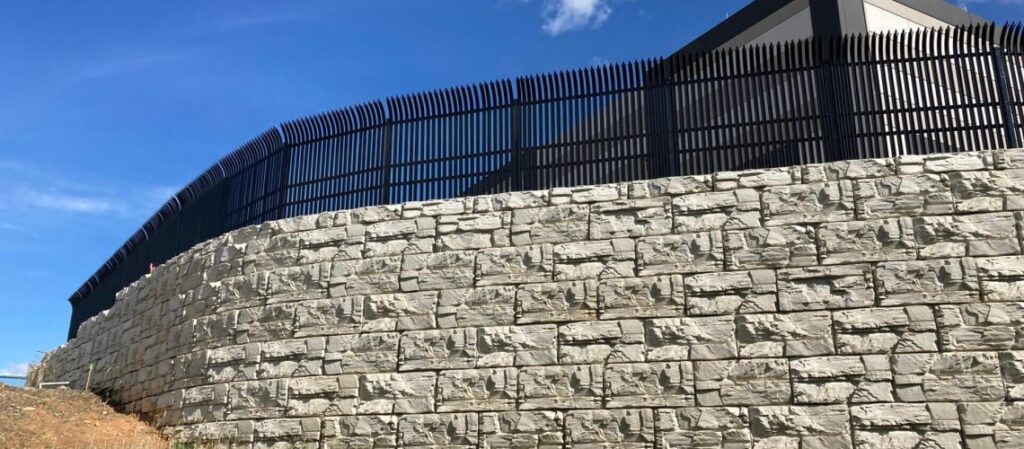
Why Do Retaining Walls Even Matter?
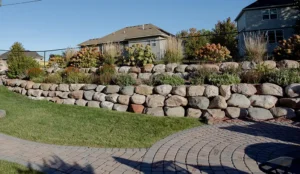
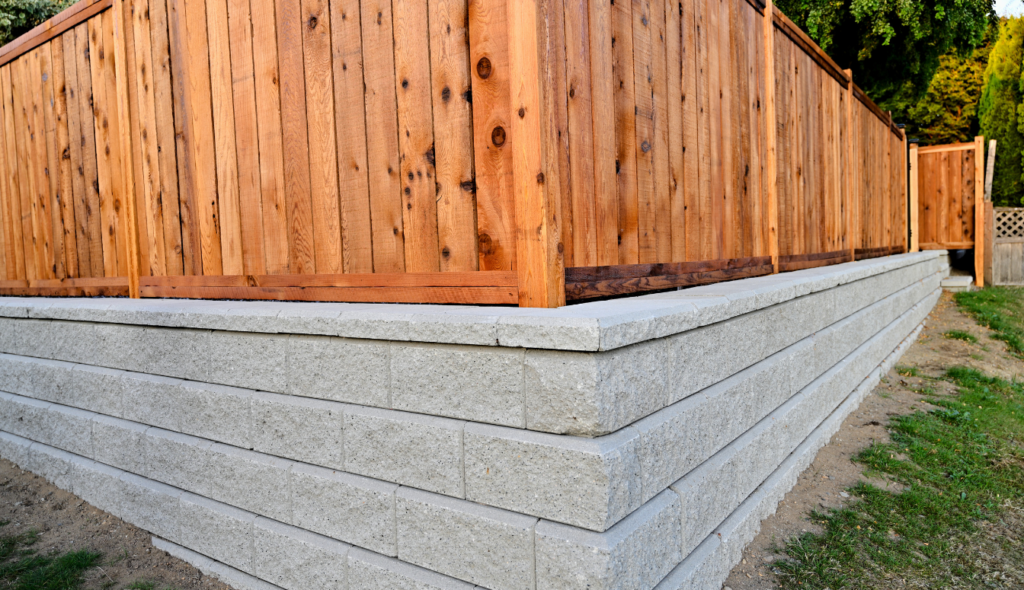
Retaining walls do not just improve the curb appeal of your house. In fact, they are highly functional and offer a lot of benefits, such as the following:
- Prevent erosion
- Improve drainage
- Stabilize slopes
- Protect structures
- Increase usable yard space
- Support landscaping
- Enhance curb appeal
- Increase property value
Many homeowners do not realize they need a retaining wall until they face severe problems. Always consider a proactive approach to protect your investment while enhancing the beauty of your outdoor space.
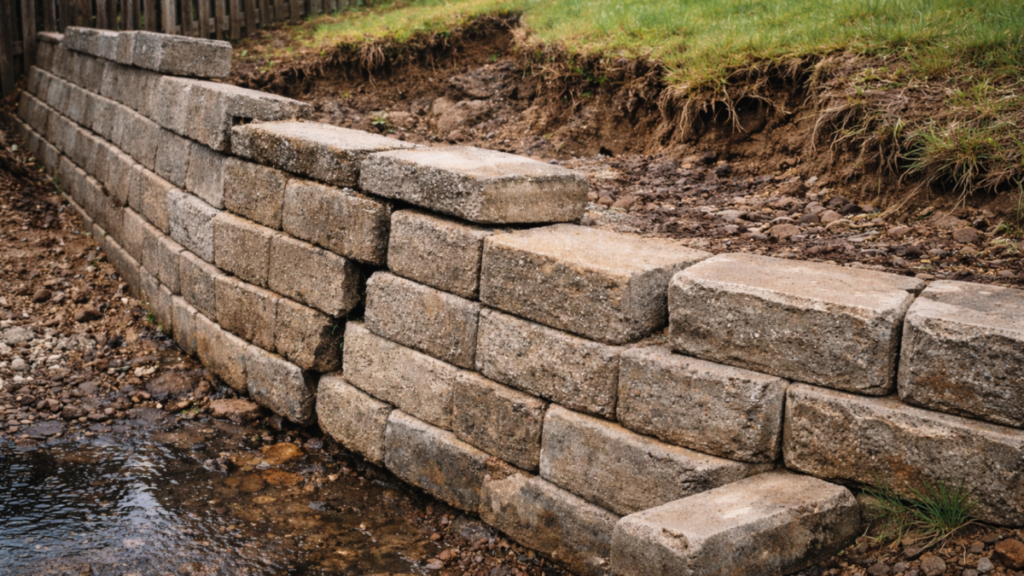
Important Warning Signs You Shouldn’t Ignore
Let’s have a look at those important warning signs that you shouldn’t ignore at any cost, especially if you belong to Eastern Washington.
1. Soil Erosion – A Regular Problem
Ongoing soil erosion is probably one of the most obvious signs that you need a retaining wall. Just take a thorough look at your property after a heavy rain and notice the following:
- Soil washing downhill
- Exposed plant roots
- Bare patches where grass once grew
- Dirt collecting at the bottom of slopes
- Mulch constantly moving after storms
With time, erosion can:
- Damage landscaping investments
- Create uneven terrain
- Expose foundations
- Affect walkways and patios
- Reduce property value
A well-designed retaining wall can hold soil in place and prevent further movement.
2. Your Yard Has a Slope
Not every sloped yard requires a retaining wall, but if it’s steep, then considering a retaining wall may benefit a lot.
Consider your yard if:
- Walking on the slope feels difficult
- Mowing is challenging
- Landscaping struggles to stay in place
- Rainwater rushes downhill quickly
- Soil shifts after storms
A retaining wall can:
- Create level areas
- Improve usability
- Reduce maintenance
- Stabilize soil
- Enhance safety
You’ll feel surprised to notice how much your space looks functional after installing a retaining wall.
3. Water is Pooling Around the Property
Water management issues should never be ignored. Always watch for:
- Standing water after rainfall
- Muddy sections that never seem to dry
- Water flowing toward structures
- Saturated planting beds
- Drainage issues near foundations
Excess water can create lots of problems, such as
- Soil erosion
- Foundation concerns
- Landscape damage
- Mold growth
- Structural deterioration
Actually, retaining walls are built with drainage systems that redirect water and reduce pressure behind the wall.
4. Cracks are Appearing in Hardscape Features
Are the cracks developing in…
- Patios
- Walkways
- Driveways
- Pool decks
- Outdoor living areas
Soil movement is one of the main causes of cracks. It often leads to:
- Trip hazards
- Water drainage issues
- Costly repairs
- Reduced property appeal
If cracks are getting worse, it’s recommended to call for inspection and evaluation so experts can determine whether slope stabilization is necessary.
5. Landscape Beds Keep Sliding or Settling
Some homeowners invest in beautiful landscaping only to watch it migrate downhill, sadly. This problem is really frustrating, especially for homeowners with sloped properties.
Here are some common signs:
- Garden beds losing shape
- Decorative rock shifting downhill
- Mulch washing away repeatedly
- Plants leaning or becoming exposed
- Edging materials moving out of place
A retaining wall can offer a wonderful physical barrier that keeps all the soil where it belongs.
Its benefits are:
- Better plant health
- Reduced maintenance
- Cleaner landscape appearance
- Improved moisture retention
- Longer-lasting landscape investments
6. Signs of Foundation Stress
Foundation problems are usually one of the biggest concerns many homeowners face. Although retaining walls are not always the solution, different warning signs indicate soil pressure and drainage issues are contributing factors.
So, always look for:
- Cracks in foundation walls
- Uneven floors
- Doors that stick
- Windows that no longer close properly
- Visible settling around the home
With a professionally designed retaining wall, you can:
- Improve drainage
- Reduce soil movement
- Manage pressure buildup
- Protect surrounding structures
In case of having serious foundation problems, you can consult with qualified professionals so they can determine the root cause.
7. You Want a More Usable Outdoor Space
In Eastern Washington, many homeowners have big portions of yard that go unused because of steep grades. With a well-designed retaining wall, they can transform their areas into:
- Outdoor kitchens
- Patios
- Fire pit spaces
- Garden terraces
- Play areas
- Seating zones
- Lawn space
This is valuable for homes where flat land is limited.
After creating multiple-level sections, retaining walls can help homeowners enjoy more of their outdoor environment.
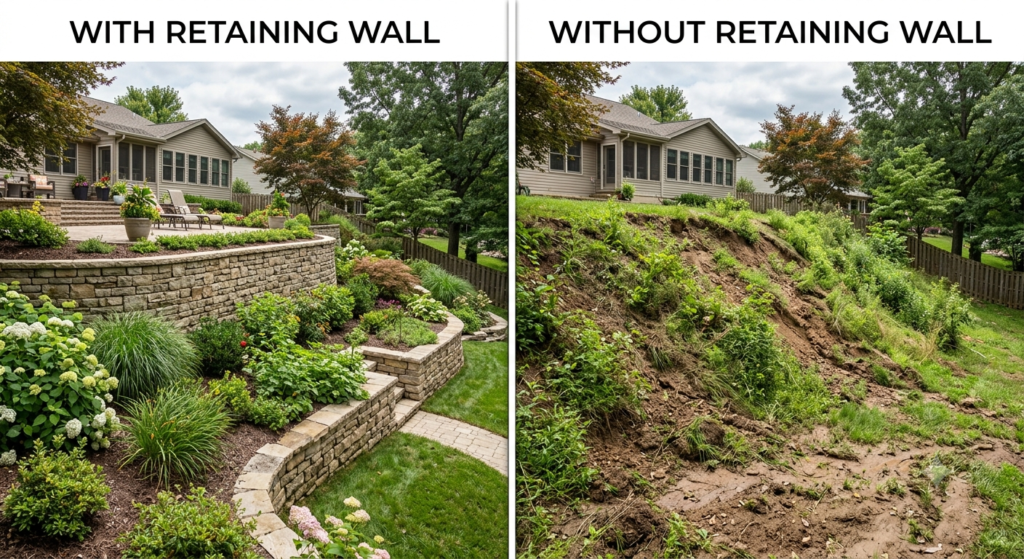
With Retaining Wall vs. Without Retaining Wall
| With Retaining Wall | Without Retaining Wall |
| Stable soil conditions | Continued soil erosion |
| Improved drainage | Water pooling & runoff issues |
| Functional outdoor spaces | Limited use of sloped areas |
| Protected landscaping | Frequent landscape repairs |
| Enhanced property appearance | Declining curb appeal |
| Long-term protection | Expensive future repairs |
Many homeowners in Washington aren’t sure whether a retaining wall is worth the investment or not. The simple way is to observe the benefits and judge what could happen with a retaining wall and what you could face without a retaining wall. After careful consideration and analysis, make an informed decision that’s better for your property.
So, Should You Install a Retaining Wall?
Yes. Especially if you have noticed any of the above-mentioned warning signs, then it’s time to install a retaining wall.
Since every property is different, it’s better to conduct a professional inspection and check for the following:
- Soil conditions
- Slope severity
- Drainage patterns
- Property layout
- Existing structures
These factors determine whether you need a retaining wall and what type of solution will work.
Final Thoughts – Improve Your Property with Vinewood Hardscapes
Whether you’re dealing with erosion, drainage concerns, unstable slopes, or simply want to create more usable outdoor space, a professionally built retaining wall can make a significant difference.
At Vinewood Hardscapes, we design and build durable retaining walls that are both functional and visually appealing. Our team carefully evaluates each property to create solutions tailored to the landscape, drainage conditions, and long-term needs of the homeowner.